Now Reading: Change Management & Living Documents
1
-
01
Change Management & Living Documents
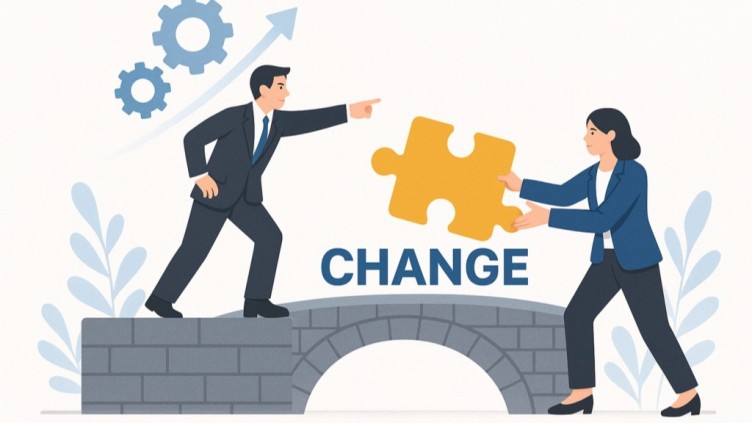
Change Management & Living Documents
Processes change.
That’s inevitable in any project or business environment. But one often underestimated aspect of this evolution is the documentation of process changes and the maintenance of living documents.
When documentation isn’t kept current, it slowly erodes efficiency and creates long-term costs that are easy to overlook.
 The Cost of Ignoring Living Documents
- Loss of critical knowledge: When people leave, they take undocumented knowledge with them.
- Increased delivery risks: Repeated mistakes and longer troubleshooting time reduce quality and speed.
- Weakened change management alignment: Teams struggle to adapt to changes they don’t fully understand.
- Reduced collaboration: Version confusion leads to duplicated work and inconsistent processes.
 How to Address This
- Assign Accountability: Designate clear document owners responsible for keeping each process guide or SOP up to date.
- Implement Version Control: Utilize a centralized platform (e.g., Confluence, SharePoint, or Notion) where the latest version serves as the single source of truth.
- Integrate into Change Management: Make documentation updates a mandatory step in every release or process change workflow.
- Foster a Documentation Culture: Encourage teams to view documentation as part of doing the job, not an afterthought.

Related Posts



Stay Informed With the Latest & Most Important News
Previous Post
Next Post








Advertisement
Loading Next Post...