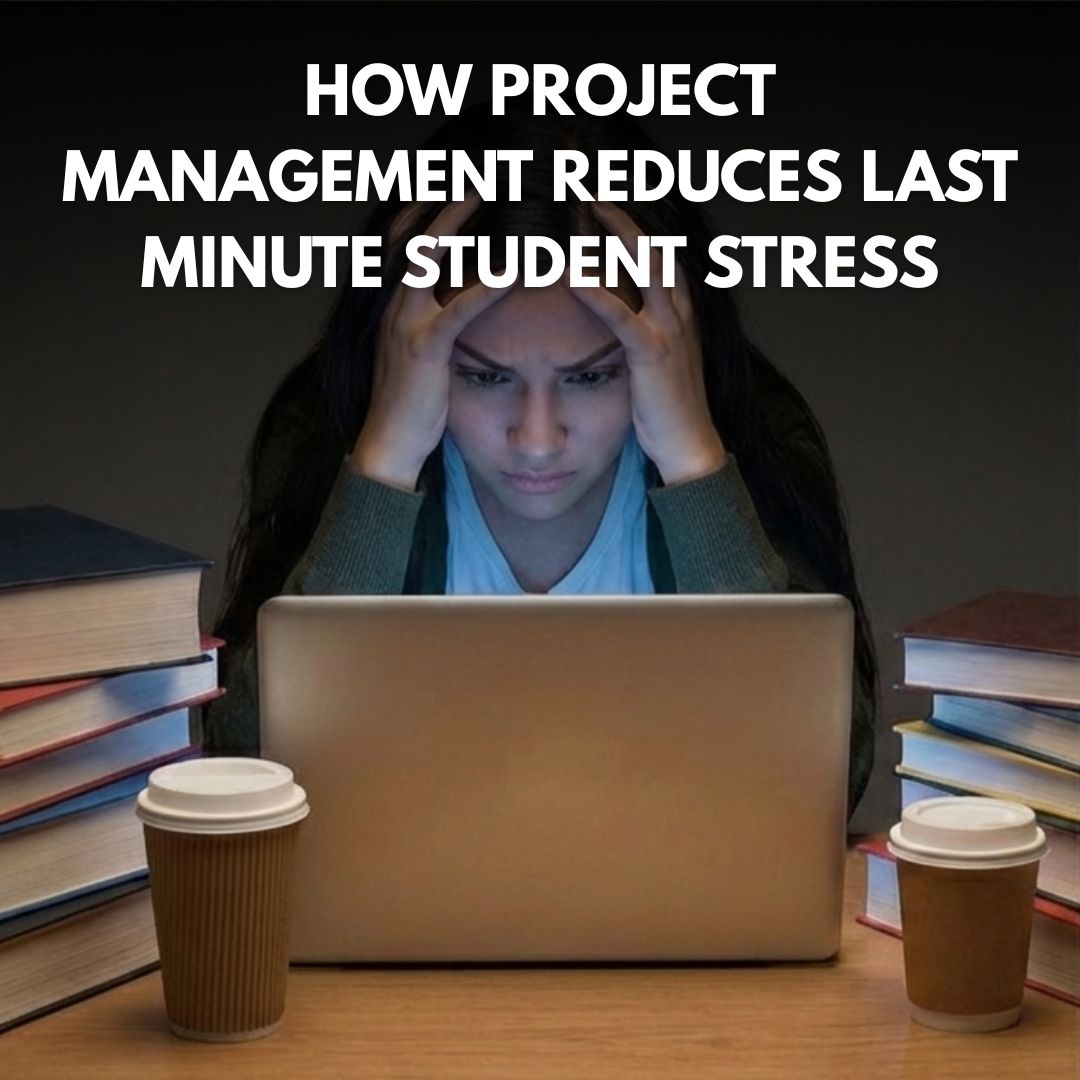
Last minute stress hits students when deadlines arrive together. Your mind feels crowded. Your body feels tired. Work feels heavier than normal. Stress does not come from the task size. Stress comes from lack of simple planning. When you plan early and clearly, pressure drops. You stay focused. You move with purpose.
Students face stress for clear reasons. Tasks stay in the head instead of on paper. Time estimates stay wrong. Work starts late. Motivation becomes a condition to begin. Group members delay progress. Personal issues interrupt study time. Without a plan, tasks stack quietly. Deadlines then appear at once. Stress rises fast.
Treat your daily work like small projects. Every project has steps. Planning. Doing. Reviewing. Finishing. Your assignments follow the same pattern. Do not think about the full task. Break work into steps. Topic choice. Research. Outline. Writing. Editing. Submission. Each step feels smaller. Control increases when steps stay visible.
Write every task down. Memory fails under pressure. Writing clears mental load. Use a notebook or phone list. Write assignments. Write personal tasks. Write deadlines. When tasks stay visible, stress drops. You stop guessing. You start acting.
Plan your week before planning your day. Weekly planning takes little time. Spend fifteen minutes at the start of the week. Look at deadlines. Look at classes. Look at personal commitments. Assign tasks to days. Keep planning light. Do not plan every hour. Decide simple focus areas for each day. Work spreads evenly. Last minute pressure fades.
Start work early in small blocks. Waiting for long free hours leads to delay. Short sessions build progress. Twenty minutes daily beats five hours under pressure. Early starts build momentum. Early starts create buffer time. Buffer time protects you from stress.
Use time blocks during the day. Assign one task to one block. Study for forty minutes. Take a short break. Write for thirty minutes. Stop when time ends. Focus improves. Distraction drops. Your mind feels calmer when tasks have clear limits.
Track progress daily. Deadlines alone increase fear. Progress builds confidence. Mark completed steps. Review unfinished ones. Ask one question each day. What did you finish today. Small progress still counts. Visible progress keeps motivation steady.
Plan for delays. Delays exist in student life. Illness. Internet failure. Group issues. Family duties. Tight schedules break under pressure. Leave extra time before deadlines. Aim to finish work one or two days early. Extra time absorbs problems. Panic loses power.
Keep planning simple. Complex systems fail fast. Simple habits last longer. Choose one method. Weekly list plus daily blocks works well. Stay consistent. Do not chase perfect systems. Consistency beats intensity.
Stress does not signal weakness. Stress signals missing structure. Simple planning reduces pressure. You gain control over time. You act instead of reacting. These habits support academic success. These habits also support future work life.