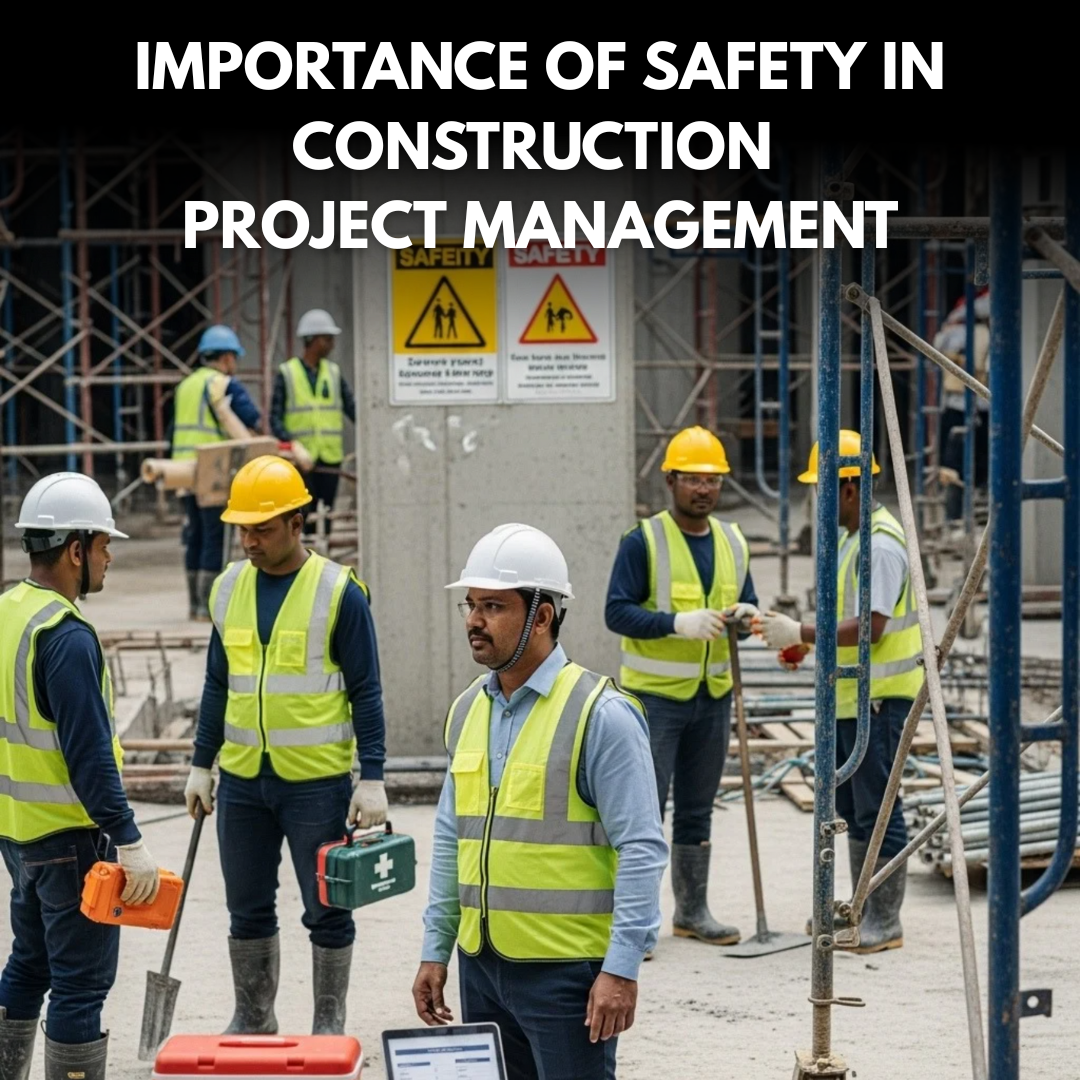
Construction is one of the most active and fast-growing industries. It builds homes, roads, bridges, buildings and infrastructure that support daily life. But construction work also comes with risks. Workers often deal with heights, heavy machinery, tools and materials. Because of this, safety plays a very important role in construction project management.
A successful construction project is not only about finishing the work on time and within budget. It is also about making sure everyone goes home safely every day. Good safety management protects workers, reduces accidents, saves money and improves productivity. When safety becomes a priority, the whole project environment becomes stronger and more professional.
Why safety matters in construction
Construction sites can be dangerous places. Common risks include:
- Falling from heights
- Equipment related injuries
- Falling objects
- Electrical hazards
- Slips and trips
- Unsafe scaffolding
- Lack of personal protective equipment (PPE)
These accidents can lead to injury, delay or even loss of life. Safety planning helps avoid these risks and ensures workers are protected. A safe site also builds trust among workers and clients.
Role of project managers in safety
Project managers have a key responsibility in maintaining safety. They must plan, monitor and enforce safety rules throughout the project. This includes:
- Preparing a safety plan
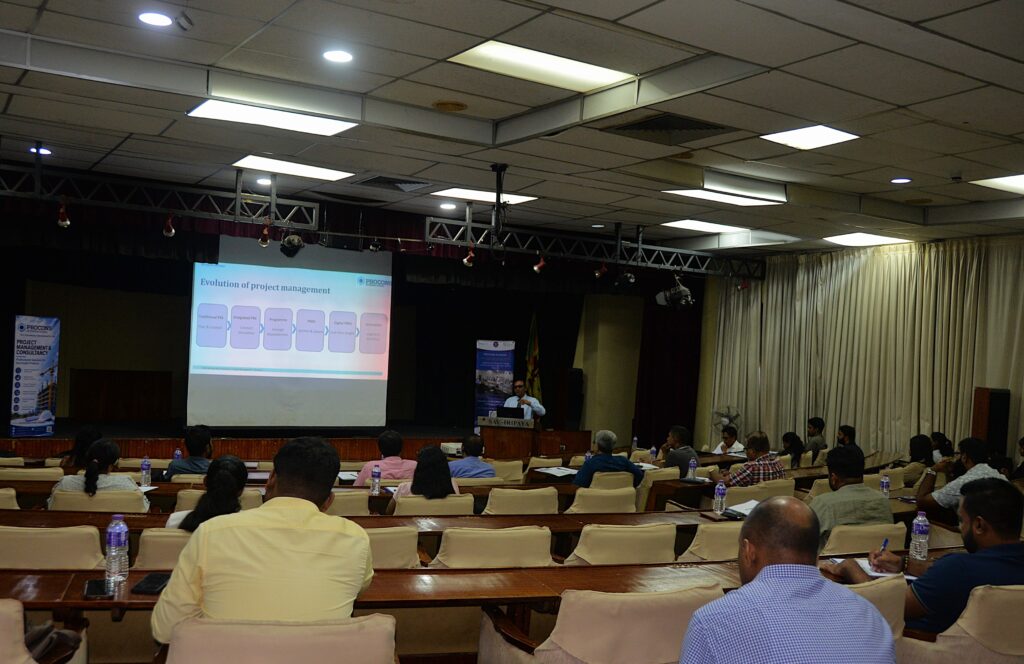
- Providing safety training
- Ensuring proper use of PPE
- Making sure machinery and tools are used correctly
- Conducting site inspections
- Addressing hazards immediately
A project manager who values safety earns respect from workers and shows professionalism to clients.
Safety training and awareness
Workers should understand how to work safely. Safety training must be given before starting work and repeated regularly. Training topics may include:
- Correct lifting methods
- Working at heights
- Handling equipment safely
- Electrical safety
- First aid basics
- Emergency procedures
When workers know the risks and how to avoid them, accidents reduce. Training should be simple, practical and easy to understand.
Use of personal protective equipment (PPE)
Personal protective equipment is essential in construction. Common PPE includes:
- Helmets
- Safety boots
- Gloves
- Safety glasses
- Reflective vests
- Ear protection
Project managers must ensure PPE is available and workers use it correctly. It is not enough to only provide safety gear. Workers need to understand why it is important and how it protects them.
Site rules and housekeeping
A clean and organized construction site is a safe site. Good housekeeping includes:
- Keeping walkways clear
- Storing tools safely
- Removing waste regularly
- Marking dangerous areas
- Using proper signage
Clear safety rules should be displayed and agreed by everyone. When the site is neat and organized, risks automatically decrease.
Equipment and machinery safety
Heavy machines like cranes, excavators, concrete mixers and trucks are common in construction. They should only be operated by trained and authorized workers. Regular maintenance and inspections are required to avoid mechanical failures. A small issue with a machine can lead to a major accident, so preventive care is important.
Emergency response planning
Even with good planning, emergencies can happen. A construction site must have:
- First aid kits
- Trained first aid staff
- Emergency evacuation plan
- Fire extinguishers
- Emergency contact numbers displayed
All workers should know what to do in case of an emergency. Quick and proper action can save lives.
Reporting and learning from incidents
If an accident or near-miss happens, it should be reported immediately. This helps the team understand what went wrong and prevent the same issue in the future. A safety culture grows when everyone feels responsible and confident to report problems without fear.
Benefits of strong safety management
Good safety practices bring many benefits, such as:
- Protecting workers lives
- Reducing injuries and accidents
- Increasing productivity
- Reducing project delays
- Improving worker morale
- Reducing legal and insurance costs
- Enhancing company reputation
When safety is followed properly, workers feel valued and motivated. They work better and faster when they feel safe.