AI tools are now entering project work through many small doors. A team member uses them to draft minutes. A project manager uses them to prepare a status report. A consultant uses them to summarise requirements. A supplier uses them to respond to a query. Before long, AI will be part of the project environment, even if no formal decision has been made to adopt it.
This is why governance matters. AI use in projects should not be left to individual preference or convenience. If project teams use AI without clear boundaries, they may expose confidential data, rely on unverified outputs, misrepresent project status, or create decisions that cannot be properly explained later. The issue is not whether AI should be used. The issue is how to use it responsibly.
Governance does not need to be complicated. For most projects, it begins with a few practical questions. What information can be entered into AI tools? What information should never be entered? Who is allowed to use AI-generated content in project documents? Who must review it before it is shared? How should AI-supported analysis be recorded? These questions may sound simple, but they are often ignored until something goes wrong.
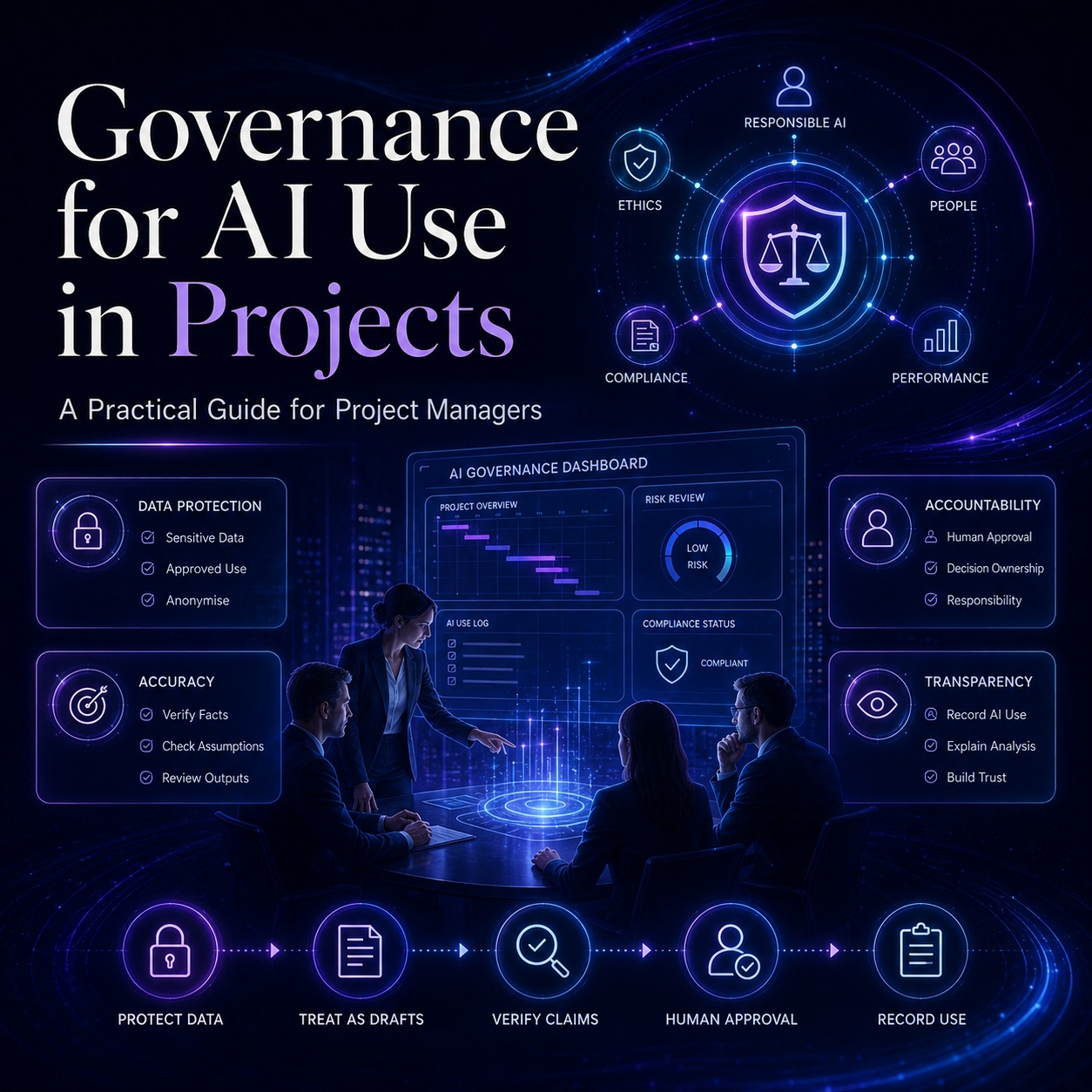
Data protection is the first concern. Project teams handle contracts, budgets, technical designs, personal data, commercial information, and internal decisions. Not all of this should be uploaded to public AI tools. A project manager must understand what data is sensitive and ensure that the team follows organisational policy. When in doubt, the safer approach is to anonymise, summarise, or avoid using confidential material altogether.
The second concern is accuracy. AI-generated content can be fluent and convincing, but still wrong. It may invent details, misunderstand context, or produce recommendations based on weak assumptions. This is especially risky in project documents because a polished output can create confidence. A risk analysis, schedule explanation, or decision note must be checked against project facts, not accepted because it reads well.
The third concern is accountability. If AI helps prepare a project report, who owns the report? If it helps compare options, who owns the recommendation? If it supports a decision, who is responsible for the outcome? The answer should be clear: people remain accountable. AI can assist, but it cannot approve, justify, or defend a project decision.
The fourth concern is transparency. Project teams do not need to declare every small AI-assisted edit. But when AI has been used to generate analysis, summarise evidence, prepare decision options, or support a major recommendation, it is reasonable to record that use. This helps maintain trust and gives others a chance to review the assumptions behind the output.
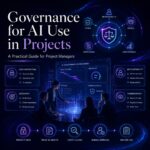
A simple project-level AI governance approach could include five rules. First, do not enter sensitive or confidential information into tools unless approved. Second, treat AI outputs as drafts or inputs, not final answers. Third, verify all important claims, numbers, assumptions, and recommendations. Fourth, keep human approval for all project decisions. Fifth, record AI use when it meaningfully influences analysis or reporting.
These rules are not meant to slow down innovation. They are meant to make AI use safer and more professional. Without governance, AI may create speed without control. Governance can improve productivity while protecting trust, accountability, and project integrity. This is especially important when projects involve multiple partners, external vendors, or public-facing outcomes. In such settings, one careless AI-assisted document can create confusion, legal exposure, or reputational damage beyond the project team.
Project managers have an important role here. They do not need to become AI engineers, but they do need to become responsible users and guides. They must help teams understand where AI is useful, where it is risky, and where human review is non-negotiable.
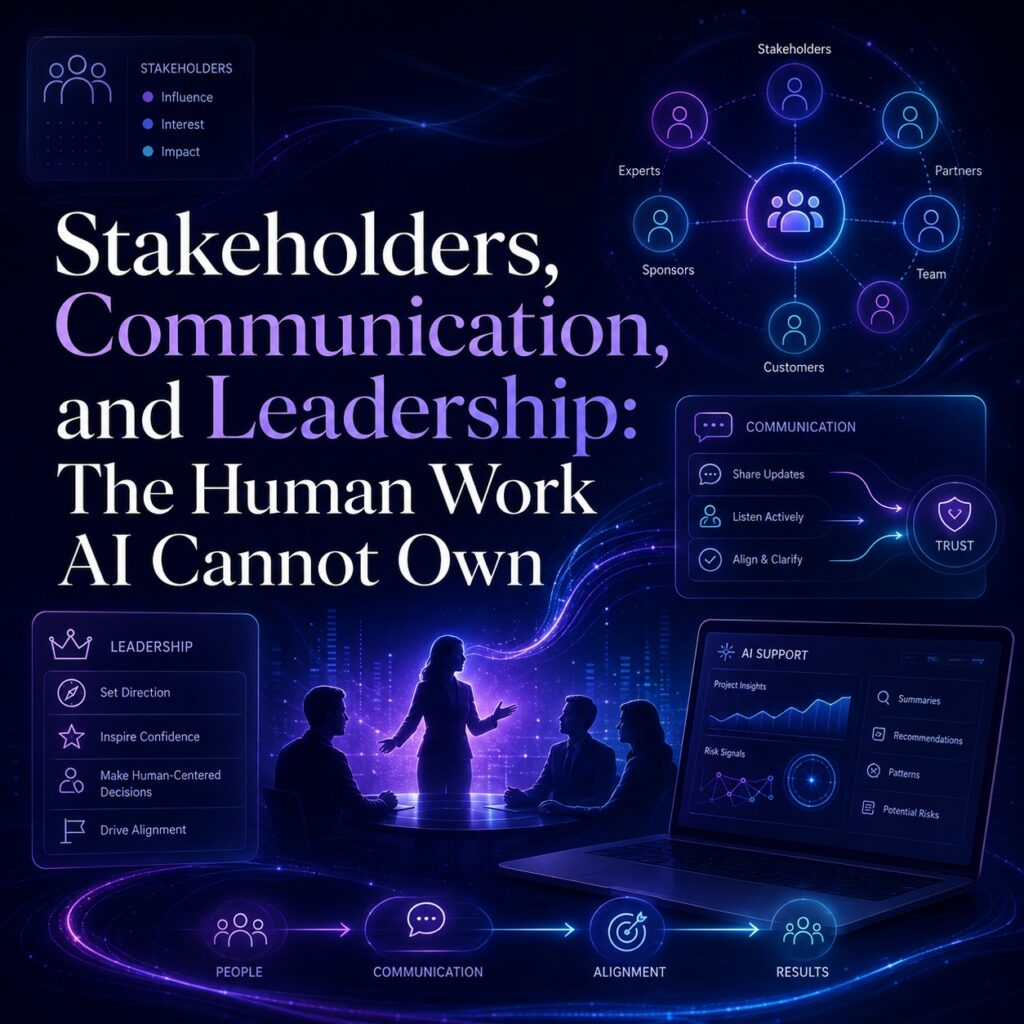
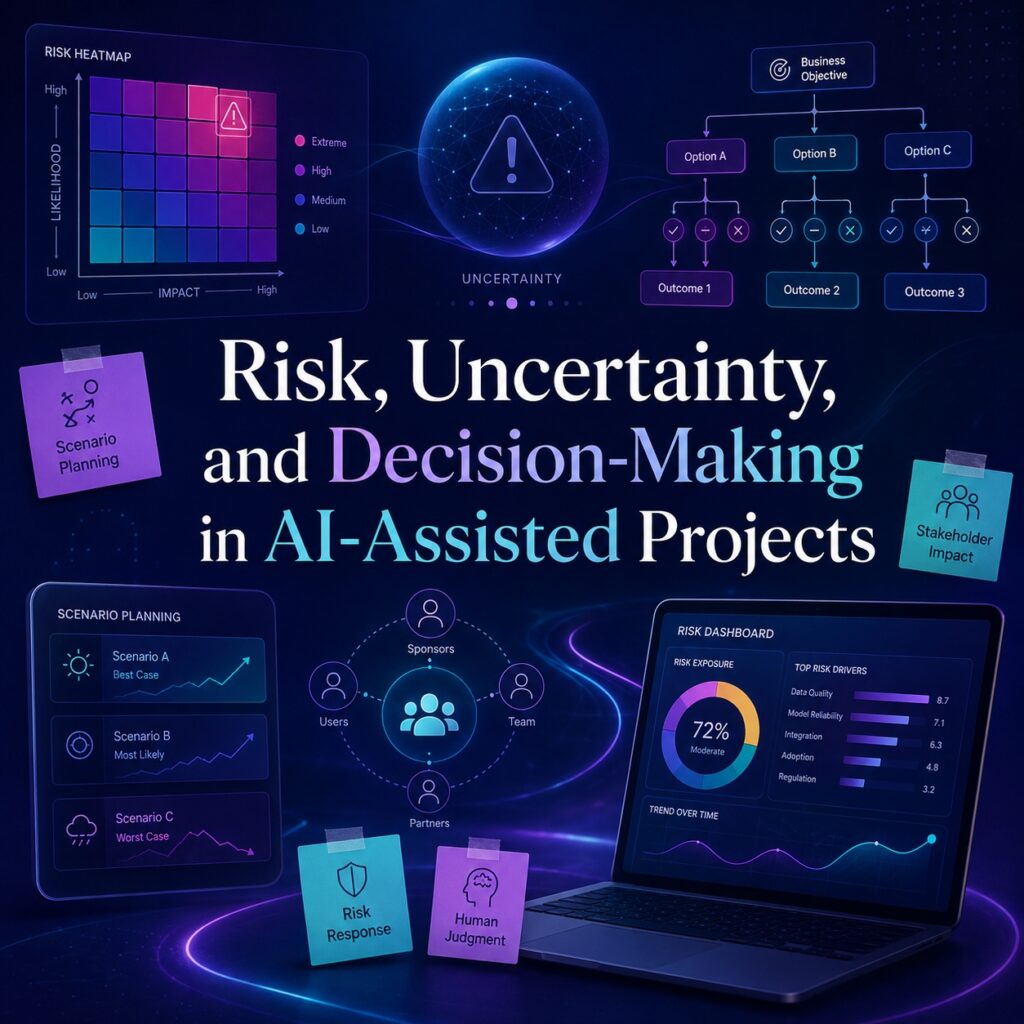
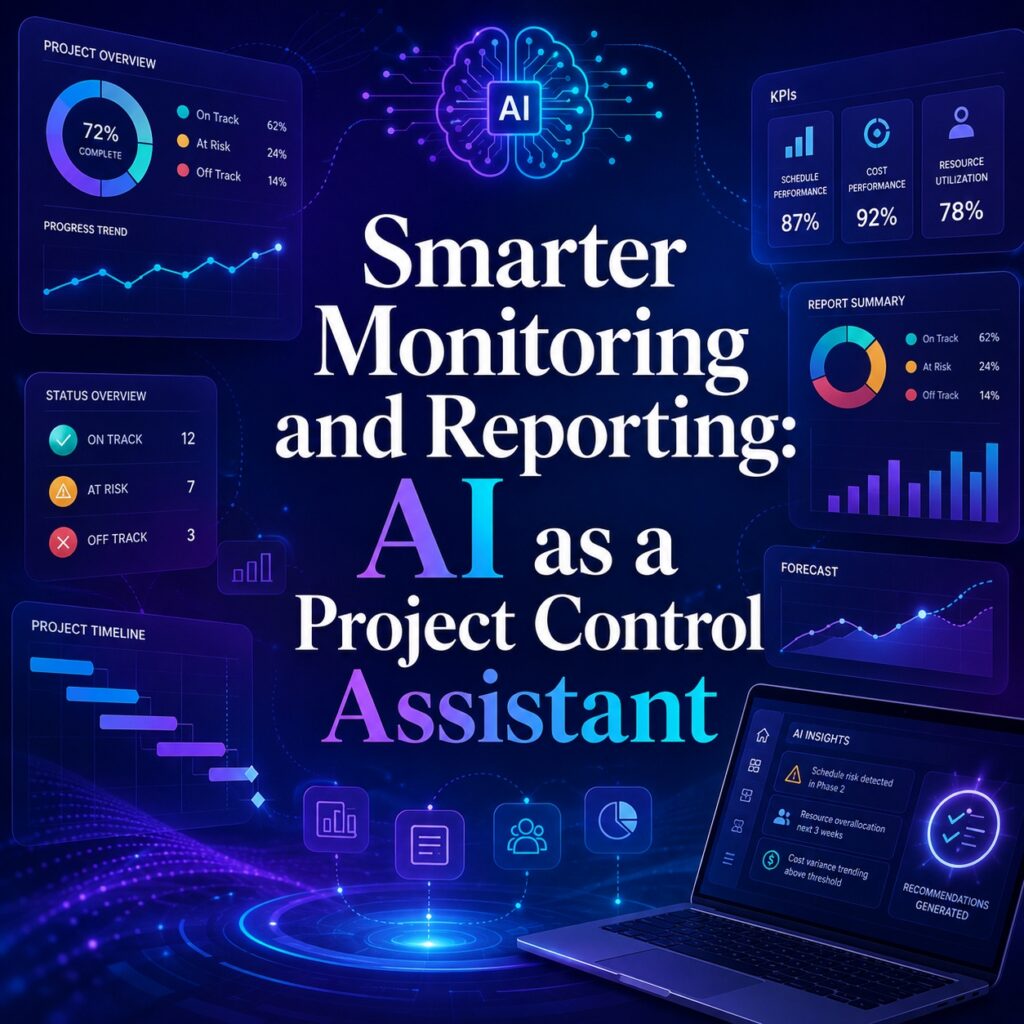
As this series has argued, AI can support planning, monitoring, reporting, risk analysis, communication, and decision-making. But each of these areas also requires context, judgment, and responsibility. Governance brings these elements together.
The future of project management will not be shaped only by better tools. It will be shaped by better practices around those tools. AI can make project work faster and more informed, but only disciplined project leadership can make it trustworthy and useful in real organisational settings over time.