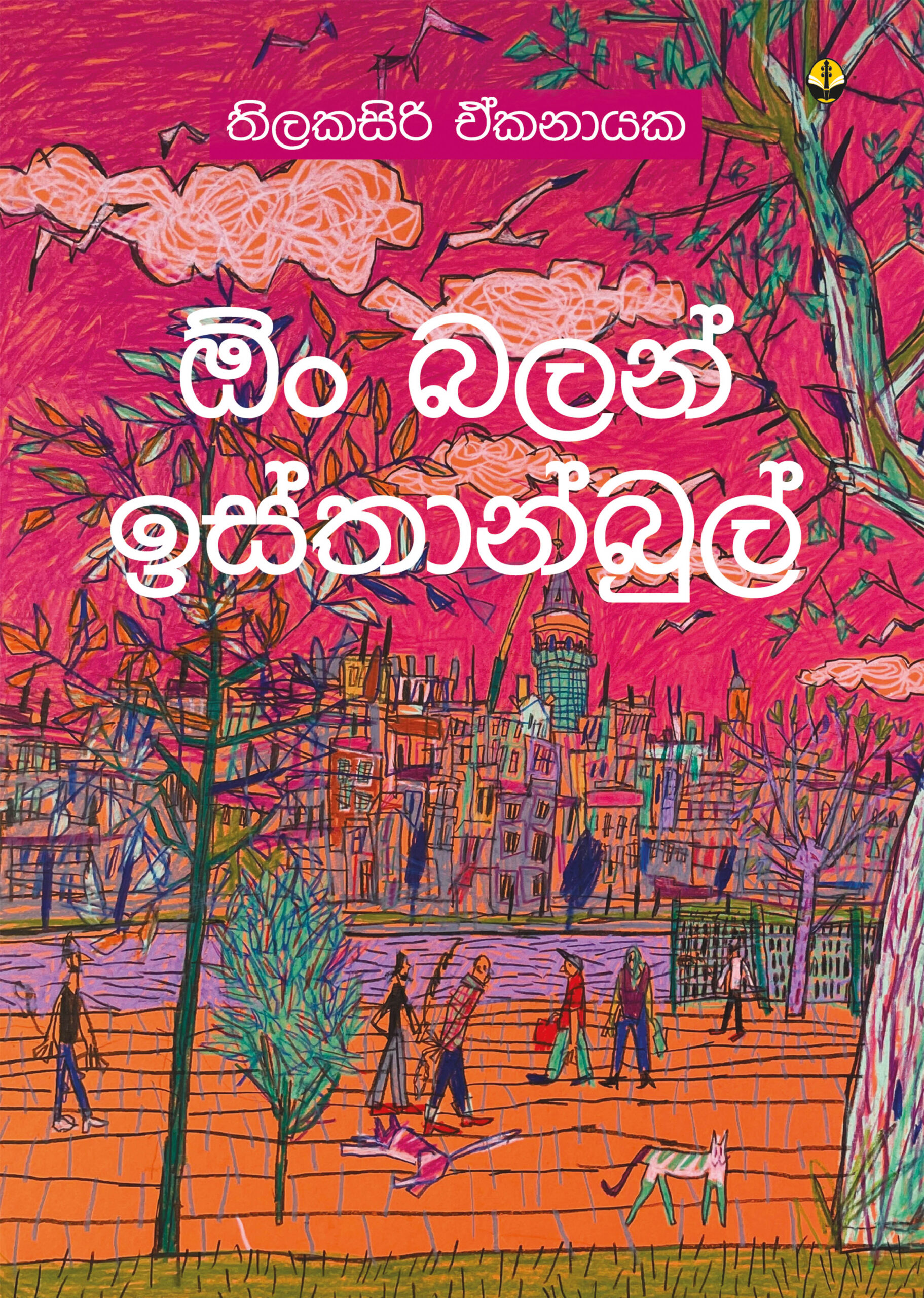
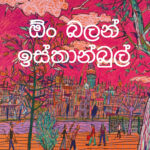
What began as a collection of travel experiences recorded in a weekly Sinhala newspaper column eventually became a multimedia publication involving 23 international artists, a printed book, digital content, and an innovative online sales platform.
Today, within seven months of publication, the book is approaching its third printing and has become one of Sri Lanka’s best-selling non-fiction publications. Yet, from a project management perspective, the most interesting part is not merely the final product, but the journey through its lifecycle.
Identifying the Business Need: When Readers Create a Project
For several years, I had been writing about Istanbul, Türkiye, its history, culture, people, architecture, and everyday life. These stories appeared as a weekly travel column, reflecting my personal observations and experiences.
Initially, there was no intention to publish a book. Writing was simply a way of sharing experiences with readers.
Gradually, however, something interesting happened. Readers began expressing interest in having these articles collected into a book.
In project management terminology, this was the identification of a business need. A potential product was emerging in response to customer demand.
The idea was no longer simply about what I wanted to write. It was about what readers wanted to experience.
Feasibility Study and the Go/No-Go Decision:
Reader enthusiasm alone could not justify investing in publication. We needed to examine market demand, the business environment, competition, production costs, pricing, and potential sales.
The Sri Lankan book market is highly competitive, particularly when readers have limited disposable income. A travel book also faces the challenge of attracting readers beyond those already familiar with the author’s newspaper column.
We explored publishing arrangements, printing possibilities, and the financial viability of producing a high-quality publication.
An informal feasibility study gradually developed into a business case. The objective was not merely to recover costs but to produce a commercially viable book with lasting cultural and literary value.
Eventually, we reached the critical Go/N. We decided to proceed.
That decision transformed a collection of newspaper articles into a defined publishing project.
Project Initiation: Appointing the Team
The next step was establishing the project team.
Darshana Karunatilake undertook the role of Project Manager, in addition to being responsible for layout design, cover design, and organizing QR-code links to videos associated with individual stories.
Eranda Mahagamage became the Project Coordinator, responsible for coordinating participating artists and arranging location visits.
These appointments were significant. The project required much more than preparing a manuscript for printing. It needed creative coordination, technical integration, stakeholder engagement, and production management.
We did not prepare a lengthy formal project charter. Nevertheless, we established a shared understanding of the project’s objectives, responsibilities, deliverables, and expected outcomes.
Our principal objective was to transform the travel column into a comprehensive, visually engaging publication covering Istanbul, Turkish culture, history, travel, and everyday life.
Scope Definition: Creating Something Different
A conventional approach would have been to compile the articles, edit them, design a cover, and print the book.
But we wanted something different.
The scope expanded to include illustrations by international artists, QR codes connecting readers to relevant videos, and supplementary digital experiences.
This was where the project became particularly interesting.
We were not simply producing a book. We were developing what we positioned as Sri Lanka’s first multimedia book, combining traditional reading with digital experiences.
The contributions of 23 international artists also gave the publication a distinctive identity.
Managing this scope required balancing creativity, production quality, costs, and practical limitations. Each new feature had to contribute meaningful value rather than merely increase complexity.
The Kano Model: Delighting the Customer
One of the most interesting aspects of this project can be explained through the Kano Model of customer satisfaction.
Readers purchasing a travel book naturally expect informative stories, attractive illustrations, good printing quality, and a reasonable price. These are basic and performance-related expectations.
But what if the reader could scan a QR code and watch a video connected to the story being read?
This was something most readers had not expected.
In Kano terminology, such features are delighters—unexpected attributes that can create additional satisfaction and differentiate a product from its competitors.
The multimedia experience transformed passive reading into a more interactive journey.
The lesson was clear: successful projects do not always create value merely by meeting stated requirements. Sometimes, they create exceptional value by understanding needs that customers have not yet expressed.
Execution: Managing Multiple Stakeholders
As the project moved into execution, the stakeholder network expanded.
Susara Publications became the publisher of the printed book, while ReaDx.lk took responsibility for the audio, video, and cartoon-related digital components, online promotion, and launching-event organization.
The project now involved artists, designers, proofreaders, printing professionals, publishers, digital developers, marketing personnel, and readers.
Each stakeholder had different expectations and constraints.
Coordination became essential to ensure that creative contributions, editorial work, printing, and digital components came together as one coherent product.
The launching ceremony itself became a separate project, with its own objectives, schedule, participants, technical requirements, and communication arrangements.
Risk Management and Commercial Success
Several uncertainties accompanied the project: market demand, competition, selling price, printing costs, production delays, and customer acceptance of an unfamiliar multimedia concept.
We addressed these risks through planning, stakeholder collaboration, product differentiation, and alternative distribution arrangements.
One important commercial decision was introducing online sales through ReaDx.lk, creating a channel beyond conventional bookshops.
The results have been encouraging.
The planned financial gains were achieved. Within seven months, the book was moving towards its third printing and had established itself among Sri Lanka’s successful non-fiction publications.
This demonstrated that creativity and commercial discipline need not be competing objectives.
Benefits Realization: Beyond the Book
The immediate benefits included sales revenue, readership, and successful delivery of an innovative publication.
But the longer-term benefits may prove more significant.
The project has contributed to cultural connections between Sri Lanka and Türkiye, introduced readers to international non-fiction travel writing, and supported the development of ReaDx.lk as an emerging digital publishing business model.
In project management, completing deliverables is not necessarily the same as realizing all intended benefits.
The printed book was delivered, but the broader benefits continue to develop.
The Key Success Story Is Yet to Come
Looking back, On Balan Istanbul followed a recognizable project lifecycle: identifying a business need, evaluating feasibility, making an investment decision, appointing a team, defining scope, managing stakeholders, executing the work, and realizing benefits.
Yet the story has not ended.
New readers, further printings, digital innovations, and opportunities for international cultural exchange may generate value long after the original publishing activities are completed.
For me, this experience reinforces an important principle: project success is not simply about delivering a product. It is about creating value that continues beyond delivery.
A weekly travel diary became a book. A book became a multimedia experience. That experience helped develop a new publishing business model.
And perhaps the greatest success story is still waiting to unfold.
Life is a project, and sometimes its most rewarding outcomes are those we never imagined when the journey began.