Stories from Project Life
Welcome to the first article in my column series Life is a Project, where I hope to share stories drawn from over 25 years of real-world project experience. From buildings, infrastructure and transport to software and digital transformation, my journey has spanned continents, across Sri Lanka, Central Asia, the Middle East, and Europe.
Each article will explore not only what happened on these projects, but why and how it connects to the evolving landscape of modern project management. My aim is to bridge the gap between theory and practice by aligning today’s leading project management principles (PMI) with actual experiences from the field.
But more importantly, I hope to share what is difficult to explain: tacit knowledge. The kind of sense that has been gained from navigating tough decisions, managing conflicting priorities, and leading teams through ambiguity and change. It is this lived experience, emotional, situational, and human, that I believe holds the deepest value for project managers at any stage of their career.
Projects have life stories. On the other hand, life too is a project. Let’s sail together in ‘Life is a Project’ article series.
“Projects don’t just get delivered—they are lived.”
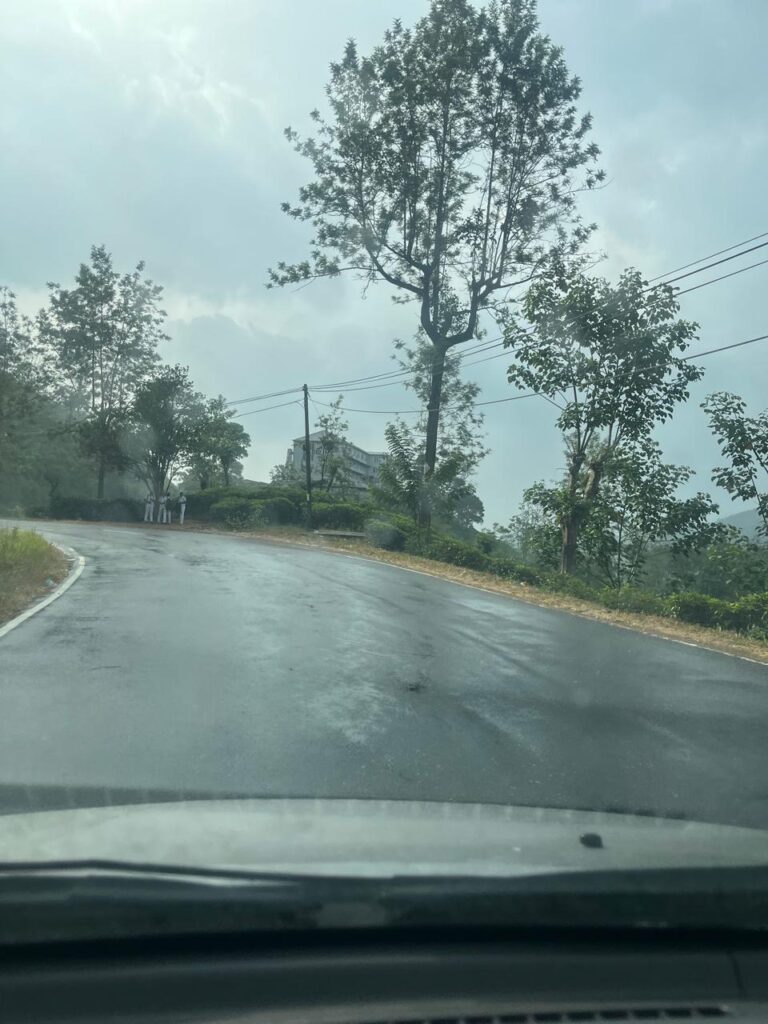
One of my first major engagements was as the Senior Planning Engineer for the Ratnapura–Bandarawela Road Rehabilitation Project in Sri Lanka. This was a high-profile infrastructure initiative undertaken by a renowned South Korean construction company with strong project management maturity and a track record of international success.
I joined the project at the initiation phase, when much of the scope, stakeholder expectations, and project environment were still being clarified from the Contractor’s perspective. My responsibilities extended beyond the conventional role of a planning engineer. Functioning almost as a key staff member, worked with the Project Manager, supported project planning, schedule development, stakeholder analysis and the alignment of delivery strategies with the broader organizational goals.
Laying the Groundwork: Understanding the Environment
The first task we undertook as a team was to verify project requirements through documentation reviews and informal stakeholder consultations. Although not highly structured at that stage, these efforts laid the foundation for stakeholder identification and engagement, a key performance domain as per PMBOK® 7 now.
During a document review, I discovered a copy of the Detailed Engineering Report, a technical feasibility study conducted several years earlier that was not part of the tender package. My background as a freelance science journalist during my engineering studies had instilled in me a curiosity to question and investigate deeper layers of project purpose and value. Inspired by PMI’s principle of Value Delivery (which I didn’t know then), I asked fundamental questions: Why is this road project necessary? What strategic objective does it serve? How does it integrate with national infrastructure plans?
Using the engineering report as a starting point, I led a further research initiative to explore the economic, social, environmental, and technical feasibility related studies carried out previously for this international development bank-funded project. I could locate some of the reports from the sponsor organization, since they had already conducted a comprehensive feasibility study. This went far beyond the scope expected of a contractor, yet it became an invaluable contribution to understanding the project ecosystem, in line with PMI’s System Thinking approach introduced later in PMBOK 7.
Building Capacity and Integrating Best Practices
Recognizing the need for strong planning capabilities, I recommended expanding our planning team. At that time, the role of the Planning Engineer was still under-recognized in Sri Lanka. With management approval, I reached out to local universities, recruited several young engineering graduates, and trained them in project planning and controls, thereby applying Talent Development principles.
Blending my previous experience from another multinational project in Colombo, and working under a South Korean team experienced in geotechnically diverse environments, we integrated international project management practices—particularly in scheduling, budgeting, stakeholder engagement, and documentation. Our team gradually assumed responsibility for cost estimation, schedule control, document management, and ultimately evolved into a Project Management Unit (PMU) that functioned as the Contractor’s core center of the project.
This transformation was driven by our collective commitment to collaboration, adaptability, and delivery performance, key themes emphasized in the PMBOK® Guides later. Our understanding of the business environment and alignment of project objectives with strategic outcomes became a unique differentiator that contributed to the project’s success.
Transition to Environmental Projects: A Broader Purpose
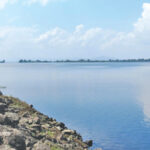
Upon completion of the road rehabilitation project, I was appointed as the Project Planning Manager, and later the Project Manager, of the Lunawa Environmental Improvement and Flood Control Project, situated near Colombo. This multidisciplinary project had three main objectives: (1) control recurrent flooding in a 10 sq. km catchment area, (2) dredge the Lunawa lagoon and improve outfall conditions, and (3) enhance the living environment of the surrounding communities.
The planning phase of this project was very productive. Almost the project team of the contractor organization was engaged during first three months to develop project plans and all the key schedules. I used this time to once again build a young, capable team, composed largely of fresh engineering graduates. Our focus was not just on project deliverables but on understanding the business case, assessing stakeholder needs, and ensuring environmental and social considerations were at the forefront practices in line with project Sustainability and Stakeholder Engagement principles.
Although in the year 2008, I had to relocate overseas before the closing phase, I had successfully set the tone for execution. The strong foundation and team momentum we created allowed the project to progress smoothly and meet its long-term objectives. The experience reinforced my belief that understanding the business environment, early-phase planning, team development, and stakeholder alignment are among the most critical success factors in project delivery.
Reflections and Lessons Aligned with PMBOK® 7
Looking back, both of these projects exemplify how the integration of PMI’s principles, which I learned later, can transform outcomes:
- Tailoring and Adaptability: We customized tools and approaches to suit the unique environment and stakeholder landscape of each project.
- Leadership and Team Development: I fostered new talent and built teams that grew into strategic units, demonstrating PMI’s principle of Leadership.
- Value Delivery and Strategic Alignment: By identifying the true purpose behind each project, we aligned project outcomes with government and community goals.
- Continuous Learning and Improvement: These experiences were the catalyst for my career in international project management, eventually leading me to become a PMI Authorized PMP Trainer.