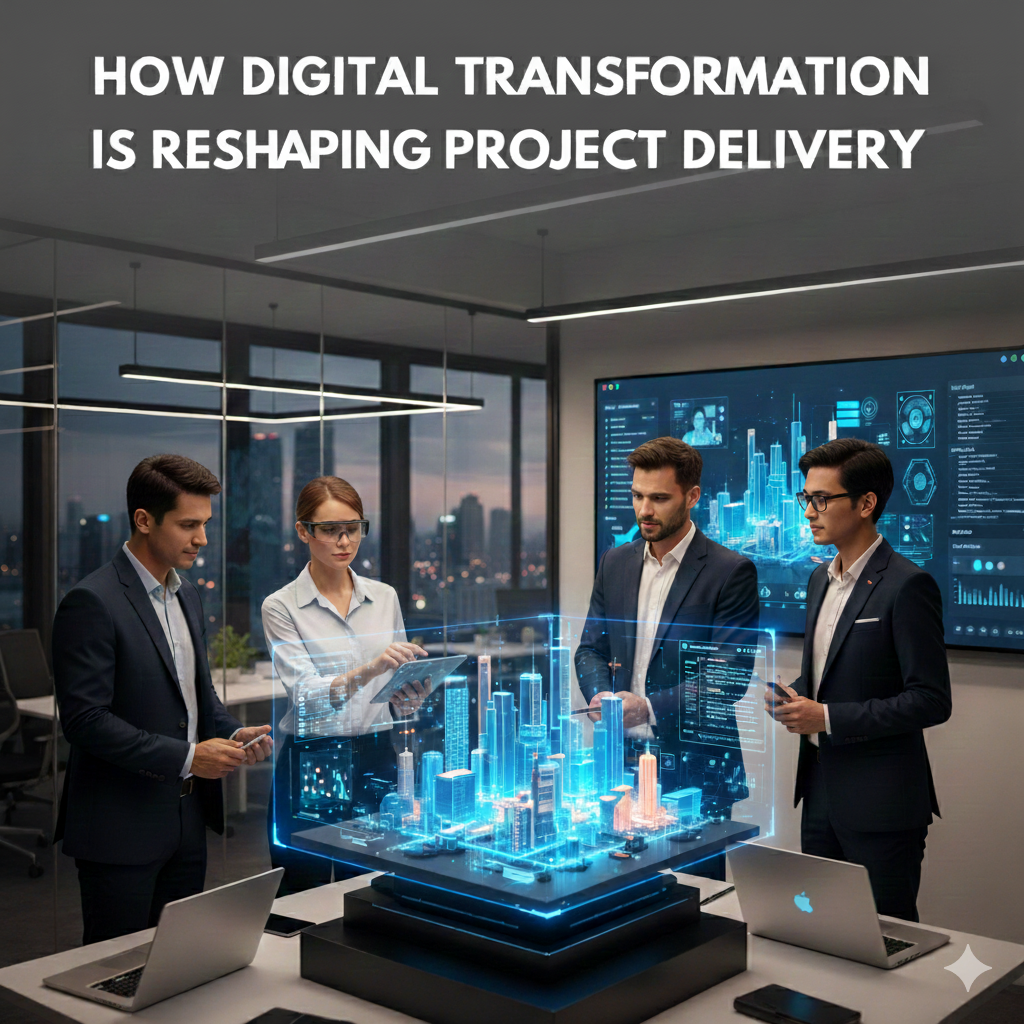
The rise of remote and hybrid work models has transformed how project teams operate across industries. With organizations increasingly adopting flexible work structures, project managers must adapt to new ways of leading teams that are distributed across locations and time zones. Managing remote and hybrid project teams requires a balance of strong communication, digital collaboration, trust-building and effective performance management. By implementing the right strategies, project managers can ensure productivity, engagement and successful project delivery regardless of where team members work.
One of the most important aspects of managing remote and hybrid teams is establishing clear and consistent communication. Distributed teams often struggle with delays, misunderstandings and information gaps. To avoid these challenges, project managers should define communication protocols from the start, such as preferred tools, meeting schedules, reporting formats and expected response times. Platforms like Microsoft Teams, Zoom, Slack and Google Workspace help maintain seamless communication through messaging, video calls and shared documents. Regular check-ins, daily stand-ups and structured updates ensure that team members remain aligned and informed.
Effective digital collaboration tools are essential for supporting remote and hybrid work. Cloud-based platforms such as Asana, Jira, Trello, Monday.com and Microsoft Project Online allow project activities, task assignments, dashboards and timelines to be accessible in real time. With these tools, project managers can track progress, monitor workloads and identify bottlenecks early. Collaboration software also ensures that documentation, designs and project files are centralized and updated instantly, reducing confusion and eliminating version-control issues.
Another best practice is building a strong sense of trust and accountability. Without physical supervision, remote teams need a performance-driven environment rather than a time-driven one. Project managers should focus on outcomes, not hours worked. Setting clear goals, defining deliverables and agreeing on timelines create a foundation of mutual trust. Regular reviews, performance dashboards and transparent progress tracking help maintain accountability. Encouraging autonomy empowers team members, boosts confidence and enhances productivity.
Maintaining team engagement is also crucial. Remote and hybrid work can sometimes lead to isolation or reduced morale. Project managers should create opportunities for team bonding through virtual coffee breaks, team-building sessions or informal discussions during meetings. Recognizing achievements, publicly and privately helps motivate team members and reinforces a positive project culture. Hybrid teams benefit from occasional face-to-face meetings, workshops or milestone celebrations to strengthen interpersonal relationships.
Another important aspect is effective resource and workload management. With team members working from different locations, it becomes essential to monitor workloads to prevent burnout or underutilization. Resource management tools in Asana, Microsoft Project or Monday.com provide visibility into assigned tasks, capacity and availability. By balancing workloads and adjusting tasks proactively, project managers ensure fairness, efficiency and consistent performance across the team.
Clear documentation and knowledge sharing also play a vital role in managing distributed teams. With limited physical interactions, every decision, change or update should be documented and stored in an accessible system. Using shared repositories such as SharePoint, Confluence or Google Drive ensures that team members can easily find the information they need. Documenting processes, FAQs and project guidelines helps new team members integrate quickly and reduce dependency on individuals.
Additionally, project managers must prioritize time zone and cultural considerations. When teams span multiple locations, scheduling meetings should be done fairly, rotating timings when necessary. Asynchronous communication using recorded videos, messages or digital boards allows teams to collaborate effectively without relying on real-time interactions. Being sensitive to cultural differences and working styles fosters a more inclusive environment and reduces friction.
Finally, cybersecurity and data protection are essential when managing remote teams. Ensuring secure access to systems, enforcing strong password policies and using approved communication channels help protect sensitive project information. Training team members in cybersecurity awareness increases overall project security.
Managing remote and hybrid project teams requires a strategic approach built on communication, digital collaboration, trust, engagement and effective resource management. With the right tools and practices, project managers can overcome the challenges of distributed work and create cohesive, high-performing teams. As remote and hybrid models continue to shape the future of work, mastering these best practices becomes essential for successful and resilient project delivery.