When we see amazing things humans have built, like a skyscraper that touches the clouds or a massive dam stopping a river, we usually think about the concrete, steel, and powerful machines involved. But we often forget something important: behind all those materials, there’s a human story.
The real force behind any great engineering work isn’t just technology; it’s the people who plan, design, and build it, and how well they work as a team. And this isn’t just true for engineers but any group of people working together.
We all know that some things are just too big to do alone. But how do people like engineers, architects, and builders, who often think very differently, come together to form a strong team with one shared goal? To understand this, there’s a useful idea called Tuckman’s Ladder. And while it’s often used in engineering, it actually applies to any team, at work, at school, even in families.
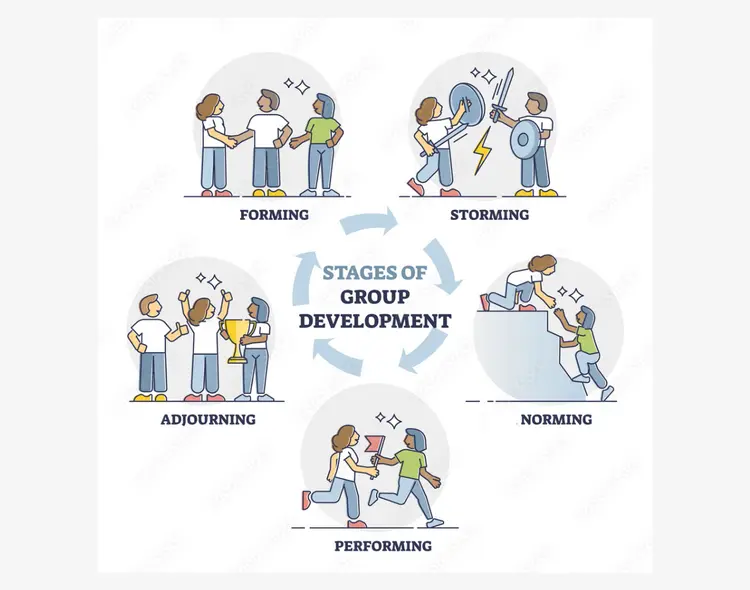
When a team starts working on a project, they usually go through five stages:
1. Forming (Getting started)
This is where the team first comes together. Leaders decide what kind of people they need, what skills are required, and who should do what. Even if some team members already know each other, they’ve never worked together in this exact setup.
It’s like putting together a new group of ministers for a government, everyone has their own background, but the team is brand new. At this point, the leader plays a big role. They need to clearly explain the goal and help the team start thinking as one group instead of separate individuals.
2. Storming (The conflict phase)
Next comes the storm. This is when team members begin to understand each other—but also start to clash. People may disagree or misunderstand each other. This drop in productivity is normal, which is why this stage is called “storming.”
But here’s the thing: storms are part of the process. You can’t get to clear skies without going through them. Strong teams aren’t the ones without conflict—they’re the ones who know how to work through problems. Good leadership can help the team move past this phase without too much trouble.
3. Norming (Finding the flow)
After the storm, things begin to settle. Team members start to appreciate each other’s strengths and know who’s good at what. They work more smoothly and respectfully.
In bigger projects, different departments begin communicating better. People learn from past mistakes, share their knowledge, and start moving in the same direction. It’s like the gears of a big machine finally clicking into place. Still, the team shouldn’t stay stuck in this comfort zone, they need to keep growing.
4. Performing (Working at full power)
At this stage, the team is doing its best work. Everyone knows their role, and there’s no need for constant reminders. Even when problems pop up, the team stays calm and works through them together.
From ancient wonders like the pyramids to today’s skyscrapers, all big successes came from high-performing teams like this. Technology helps, but the real power comes from teamwork and human effort.
Project leaders always aim to keep the team in this stage as long as they can. But staying here takes effort, it needs commitment, maturity, strong leadership, and good planning. Sometimes, changes in the team, like someone getting promoted or leaving can cause a bit of a storm again, so those moments need to be handled carefully.
5. Adjourning (Wrapping up)
Eventually, every project comes to an end. The team splits up. Some people are proud, others may feel sad to leave the group. What really matters is looking back and learning from the experience. Asking “What worked well?” or “What could we do better next time?” helps future projects succeed.
And remember, his isn’t just about engineering. Whether you’re helping run a school club, working with a charity, or part of a work team, Tuckman’s Ladder applies to you too.
In the end, it’s not just buildings or bridges that are built with teamwork. Even a strong, successful country depends on people working together with unity and purpose. That’s why the idea shared by psychologist Bruce Tuckman, (1938-2016)is something everyone can learn from.