Artificial Intelligence (AI), and especially Generative AI, is now entering almost every professional field. Project management is no exception. But the real question is not whether AI will replace project managers. That is the wrong starting point. The more useful question is: how can AI help project managers work better?
Projects are rarely simple. They involve unclear requirements, changing expectations, limited resources, tight timelines, multiple stakeholders, and constant decision-making. Much of a project manager’s work is about bringing structure to this uncertainty. AI can support this work in meaningful ways, especially in planning, documentation, reporting, risk analysis, communication, and decision support.
At the same time, AI does not remove the need for sound project management. In fact, it may make project management discipline even more important. If a project has poor scope definition, weak governance, unclear responsibilities, or poor stakeholder communication, AI will not magically fix those problems. It may even make them worse by producing outputs that look polished but are not properly validated.
This series, Project Management in the Age of AI: A Practical Series for Modern Project Leaders, will explore these issues in a practical way. The aim is not to discuss AI as a technical subject, but to examine how AI and Generative AI can be used responsibly by project managers and project teams.
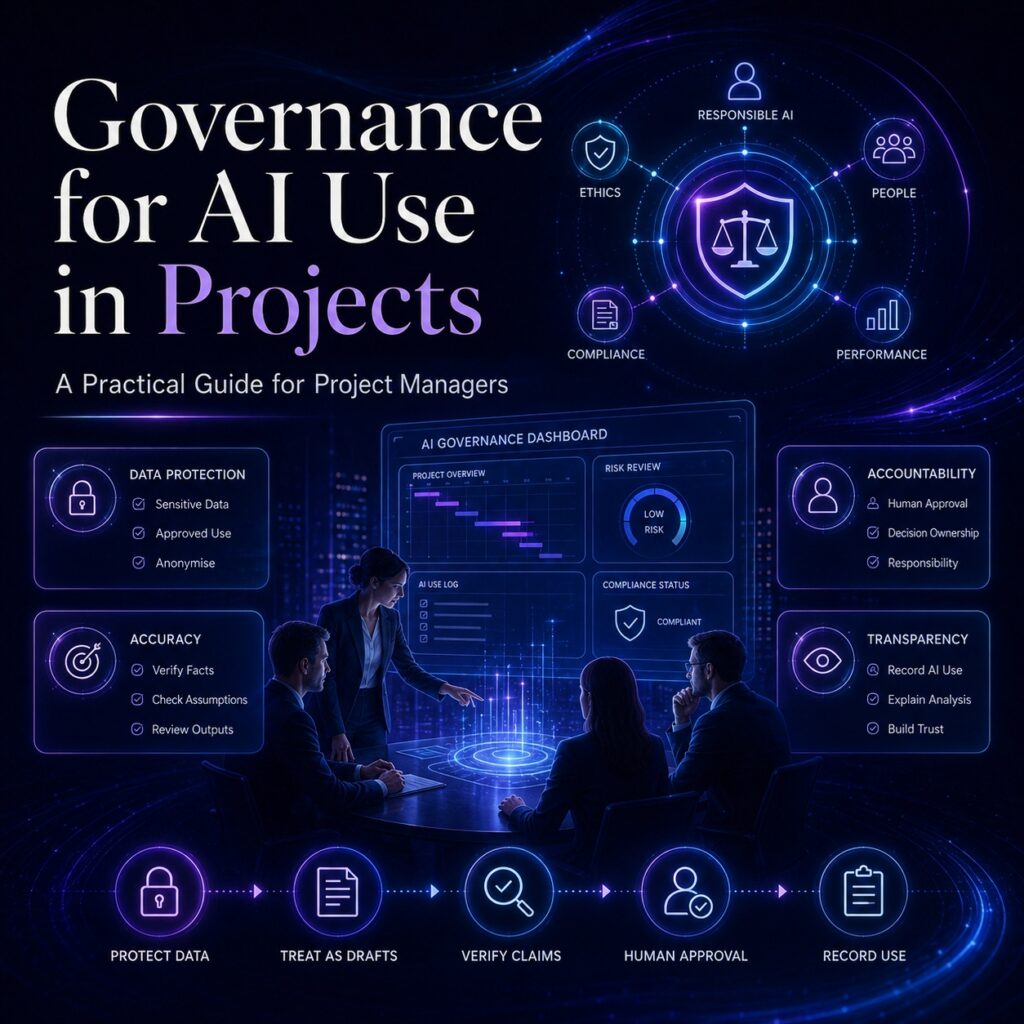
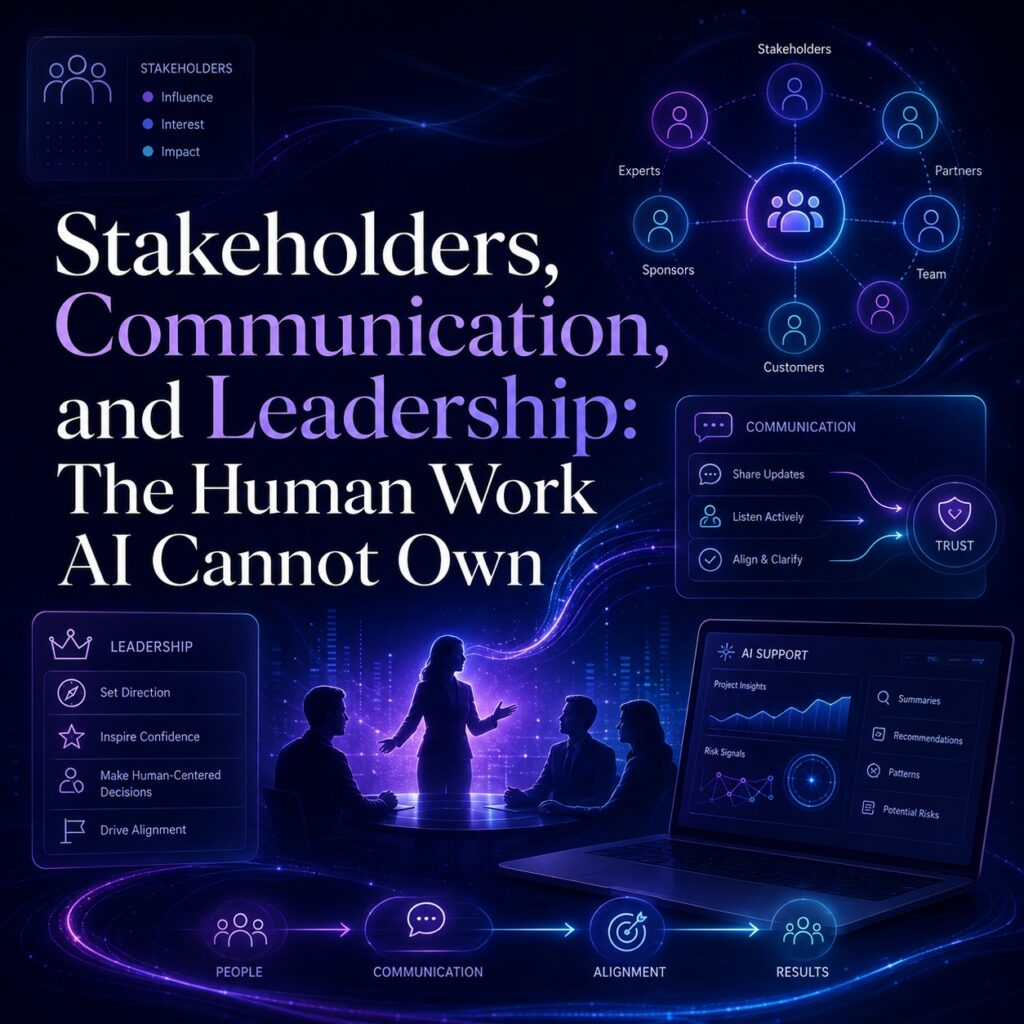
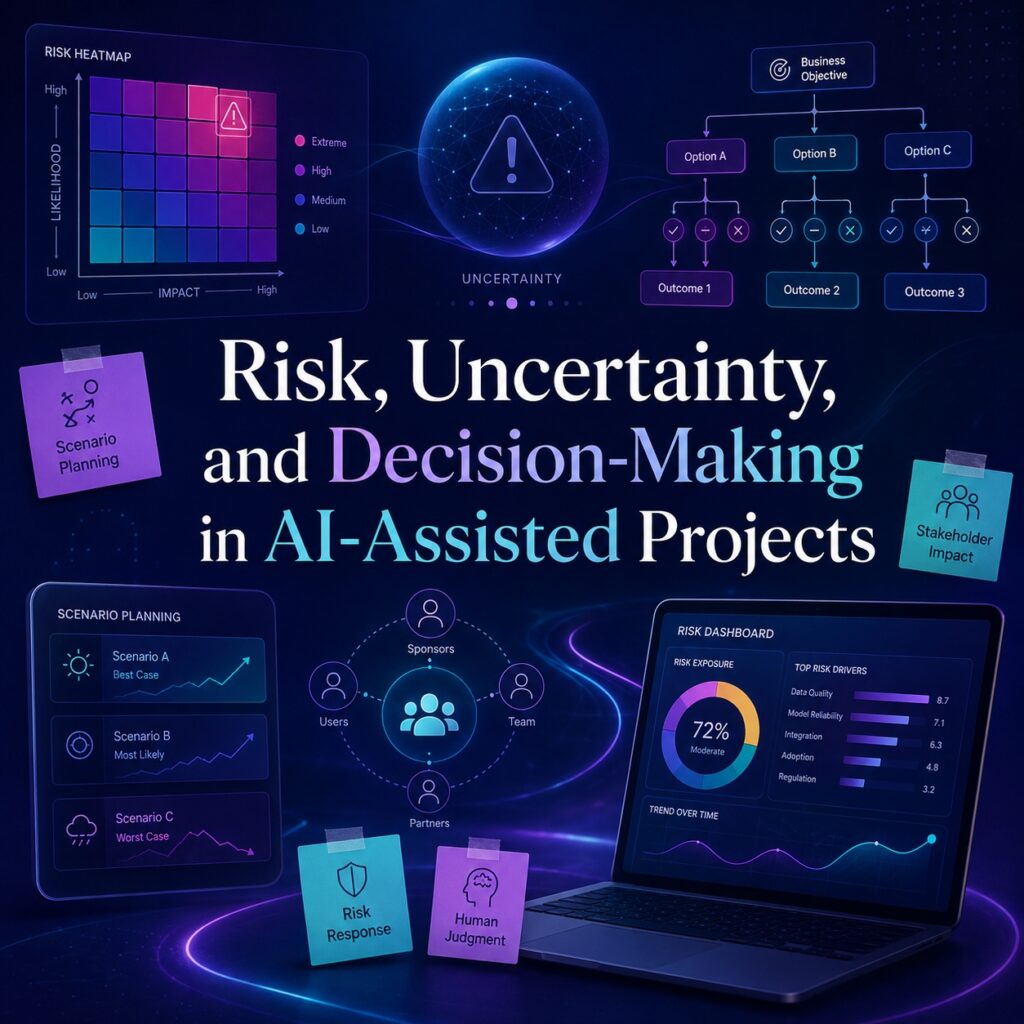
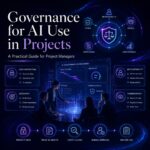
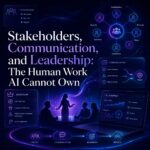
The series will begin by looking at what is actually changing in project management. It will then move into practical areas such as project planning, monitoring and reporting, risk and decision-making, stakeholder communication, leadership, and governance. Each article will focus on a specific part of project work and ask a simple question: how can AI help, and where must human judgment remain central?
The goal is to keep the discussion grounded. AI can help draft documents, summarise meetings, generate options, identify possible risks, and improve communication. But project leadership still depends on context, accountability, trust, negotiation, and judgment. These are not minor details. They are often the difference between a project that merely follows a plan and a project that actually delivers value.
This 6-part series is intended for project managers, team leaders, professionals, and anyone involved in delivering projects across different sectors. It is written for readers who may not be AI specialists, but who want to understand how these tools can be used sensibly in real project environments.
The future of project management will not be shaped by AI alone. It will be shaped by project leaders who know how to use AI well, question its outputs, protect human accountability, and keep the project’s real objectives in focus.
About the writer:
Roshan G. Ragel is a Professor in Computer Engineering at the University of Peradeniya, Sri Lanka. His work spans artificial intelligence, machine learning, embedded systems, wearable computing, bioinformatics, and digital transformation. Over the years, he has worked closely with academic, government, and regional technology communities on how emerging technologies can be adopted in practical and responsible ways.
He also serves as the Chief Executive Officer of LEARN, Sri Lanka’s National Research and Education Network, and is involved in several national and regional initiatives related to AI, digital capacity building, higher education, and skills development. His engagement with Generative AI includes university-level teaching and training, national AI strategy-related work, and capacity-building programmes for academic and professional communities. This series draws on that experience to discuss how AI can support project managers and project teams in a practical, grounded, and responsible manner.